Comparability
What is a good sleep score? Why Oura, WHOOP, Garmin, Fitbit and Apple disagree
What counts as a good sleep score on Oura, Fitbit, Garmin, WHOOP, Samsung and Apple Watch, why the same night scores differently on each, and what to track instead.
Quick answer
On most 0 to 100 scales, 80 or more is good: Fitbit and Garmin call 80 to 89 good and 90 plus excellent, and Oura calls 85 plus optimal. Apple is stricter, rating 61 to 80 only OK, and WHOOP does not use 0 to 100 at all; it reports the share of your sleep need you met, with 85% or more optimal. The same night lands in different bands on each device, so compare a score only with your own average on one device.
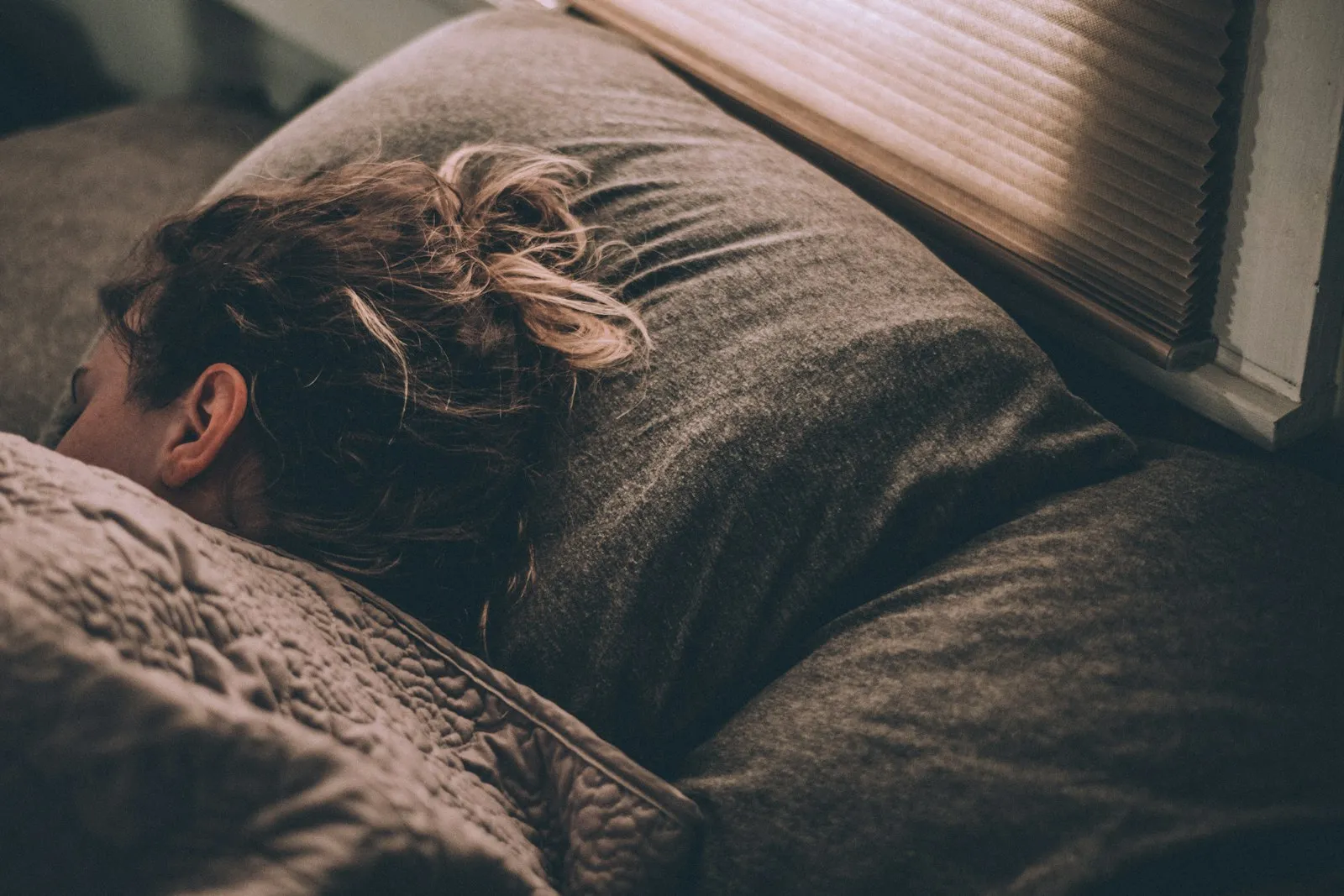
You wake up feeling great. Your ring says 68 and suggests you take it easy. Your partner slept worse by their own account, tossing at three in the morning, and their watch gave them an 84. By breakfast the two scores have started an argument nobody can win.
Nobody can win it because a sleep score is not a measurement. It is a brand’s opinion of your night, on a scale it chose, against targets it set. Here is what each brand counts as good, and why the same night lands differently on each.
What counts as a good sleep score on each device
Five of the six big platforms score out of 100. That shared scale is the trap, because it makes the numbers look interchangeable when the bands, and the ingredients, are not.
One night, six ways to grade it
| Device | Scale | Counts as good | Built mostly from |
|---|---|---|---|
| Oura | 0 to 100 | 70 to 84 good, 85 plus optimal | Seven contributors; total sleep weighs most |
| Fitbit | 0 to 100 | 80 to 89 good, 90 plus excellent | Duration, sound sleep, restlessness and awakenings, against targets for your age and sex |
| Garmin | 0 to 100 | 80 to 89 good, 90 plus excellent | Duration, sleep stages, awake time, restlessness and stress during sleep |
| Apple Watch | 0 to 100 | 81 to 95 high, 96 plus very high | Duration 50 points, bedtime consistency 30, interruptions 20 |
| WHOOP | Percent of your sleep need | 85% plus optimal, 70 to 85% sufficient | Sufficiency, consistency, stress and efficiency |
| Samsung | Out of 100 | Excellent, good, fair or needs attention | Total sleep, awake time, sleep cycles and recovery |
Read the middle column. An 80 is a good night on Oura, Fitbit and Garmin, and only OK on Apple, which saves High for 81 to 95. WHOOP is not on the same scale at all: its percentage is how much of tonight’s sleep need you met, and that need grows after a hard day.
The averages are lower than the bands imply, too. Google says most Fitbit users average between 72 and 83, and Garmin found its users averaged 72 across a full year, with only 7 percent averaging excellent. If your scores live in the 70s, you are sleeping like most people with a tracker, not failing at it.
Why the same night scores differently
Three things pull the scores apart, and none of them is your sleep.
Different ingredients. Apple’s score is mostly about time: duration is half the points, and bedtime consistency over the last 13 nights is almost a third. Oura and Garmin lean much harder on sleep stages, restlessness and, for Garmin, your stress level during the night. Feed the same night to both recipes and you get two different dishes.
Different targets. Google compares your night with targets tailored to your age, sex and time asleep. WHOOP’s target moves nightly: more strain means more sleep needed, sleep debt raises it and a nap lowers it. So a seven-hour night can be plenty on Tuesday and short on Saturday after a long ride.
Stages are the weakest link. Every tracker guesses sleep stages from motion and heart rate rather than brain waves. A 2025 study of six wearables against lab polysomnography found all of them caught more than 90 percent of sleep, but picked up wake far less reliably, and agreed with the lab on stages only fairly to moderately. A score that leans on deep and REM sleep inherits that uncertainty.
- Duration-led score
- Stage-led score
- Percent of sleep need
Illustrative shapes, not measured data. Seven nights.
The Quantified Scientist runs some of the most systematic public tests of how well these devices track sleep, and his rankings are a useful reality check before you trust any single score:
What to track instead
The score is a summary. The things underneath it are where the useful information lives, and two of them are real units.
- Hours asleep. The American Academy of Sleep Medicine and the Sleep Research Society recommend seven or more for adults. Time asleep still differs a little between trackers, but it means the same thing on all of them.
- Bedtime consistency. Apple gives it nearly a third of its score for a reason. Going to bed at roughly the same time is one of the few sleep levers fully in your control.
- Your own average. Whatever device you wear, the question is whether this week is above or below your normal, not whether the number clears a band someone else drew.
That is the line Fit, the cross-brand fitness competition app, takes with sleep, and it is our app, so read this with that in mind. Fit reads sleep from whichever tracker you wear and shows last night against your own normal. On a crew’s board, sleep appears as health context in hours asleep, never as anyone’s score, with a note that trackers stage sleep with their own models and close gaps are a tie. And if your crew wants a sleep challenge anyway, a Fit sleep contest runs on average hours asleep against a goal you set together, not on any brand’s grade. Sleep sits alongside HRV and resting heart rate in the same family of numbers: read against yourself, never against a friend.
What to do with this
- Learn your own device’s bands. An 80 is good on most scales and only OK on Apple. Know which scale you are reading before you worry about it.
- Compare with your own two-week average. A score below your normal is information. A score below someone else’s is not.
- Work the levers, not the grade. Hours asleep and a steady bedtime move every brand’s score, so they are the two things worth chasing.
- Never compare sleep scores between people, or between devices. The recipes, targets and stage models all differ. The same is true of every recovery and readiness score built on top of them.
Questions people actually ask
What is a good sleep score?
It depends on the device. On Fitbit and Garmin, 80 to 89 is good and 90 to 100 is excellent. On Oura, 70 to 84 is good and 85 to 100 is optimal. Apple calls 81 to 95 high and 61 to 80 OK. WHOOP reports the percent of your sleep need you met instead, with 85% or more counted as optimal. As a rule of thumb, 80 or more is a good night on most scales, but your own average matters more than any band.
Why is my sleep score different on my Oura and my Apple Watch?
Because they score different things. Apple builds its score from three parts, sleep duration worth 50 points, bedtime consistency worth 30 and interruptions worth 20. Oura weighs seven contributors, including time in deep and REM sleep, how long you took to fall asleep and the timing of your night. Each also stages your sleep with its own model, and each draws its own bands, so the same night can be an 80 on one and an OK on the other.
What is the average sleep score?
Lower than most people expect. Google says most Fitbit users average a Sleep Score between 72 and 83, and Garmin found its users averaged 72 over a year, with only 7 percent averaging excellent. A score in the 70s is an ordinary night, not a bad one.
Is WHOOP's Sleep Performance the same as a sleep score?
No. WHOOP's Sleep Performance is the share of your sleep need you achieved, now combined with sleep consistency, stress and efficiency. Your need moves every night: it rises with the day's strain and any sleep debt, and falls if you napped. So 85% on WHOOP and 85 on Oura are not the same measurement, and neither converts into the other.
How accurate are sleep trackers at measuring sleep stages?
Good at telling you were asleep, weaker at spotting when you were awake, and only fair to moderate at sleep stages. A 2025 study of six wearables against lab polysomnography found every device detected more than 90 percent of sleep but caught wake far less reliably, with stage agreement ranging from fair to moderate. The parts of a score built on deep and REM sleep are the least certain parts.
How many hours of sleep do I actually need?
The American Academy of Sleep Medicine and the Sleep Research Society recommend seven or more hours a night for adults. The CDC gives seven or more for ages 18 to 60, seven to nine for 61 to 64, and seven to eight from 65. Hours asleep are a real unit, which makes them far more useful to track than any branded score.
Sources
- Oura Member Care: Sleep Score
- Google Health Help: Sleep Score on Fitbit
- Garmin: how Garmin watches track your sleep and calculate a sleep score
- Apple Watch User Guide: view your sleep score
- WHOOP Support: WHOOP Sleep
- Schyvens et al., six consumer sleep trackers against polysomnography (Sleep Advances, 2025)
- CDC: about sleep, and how much you need
Keep reading
-
 Comparability
 What is a good HRV? Why Apple Watch, WHOOP, Oura and Garmin show different numbers
There is no universal good HRV. Why Apple Watch, WHOOP, Oura, Garmin and Fitbit show different numbers, what is typical for your age, and how to read your trend.
Apple WatchWHOOPOura Read -
 Comparability
 WHOOP Recovery vs Garmin Body Battery vs Oura Readiness: why the numbers never match
All three report a 0 to 100 score, but each measures something different, over a different window, against its own baseline. Here is what each one means.
WHOOPGarminOura Read -
 Alternatives
 WHOOP vs Oura in 2026: which recovery wearable should you buy?
WHOOP 5.0 and MG against Oura Ring 4 and 5: price, membership, battery, what each measures, their social features, and the one job neither of them does.
WHOOPOura Read
Get the next one by email
Occasional notes on making fitness numbers comparable across devices, and reading your own baseline. No spam, unsubscribe in one tap.
We email you once to confirm. Your address is only used for these notes.