Alternatives
WHOOP vs Oura in 2026: which recovery wearable should you buy?
WHOOP 5.0 and MG against Oura Ring 4 and 5: price, membership, battery, what each measures, their social features, and the one job neither of them does.
Quick answer
Pick WHOOP if you train hard and want strain coaching on a screenless strap with two weeks of battery, sold as a $199 to $359 yearly membership with the hardware included. Pick Oura if sleep and all-day health matter more and you would rather wear a ring: $349 to $499 up front, plus $5.99 a month. Both read HRV, resting heart rate and sleep against your own baseline, so neither score compares with anyone else's, and neither will race a friend on another brand.
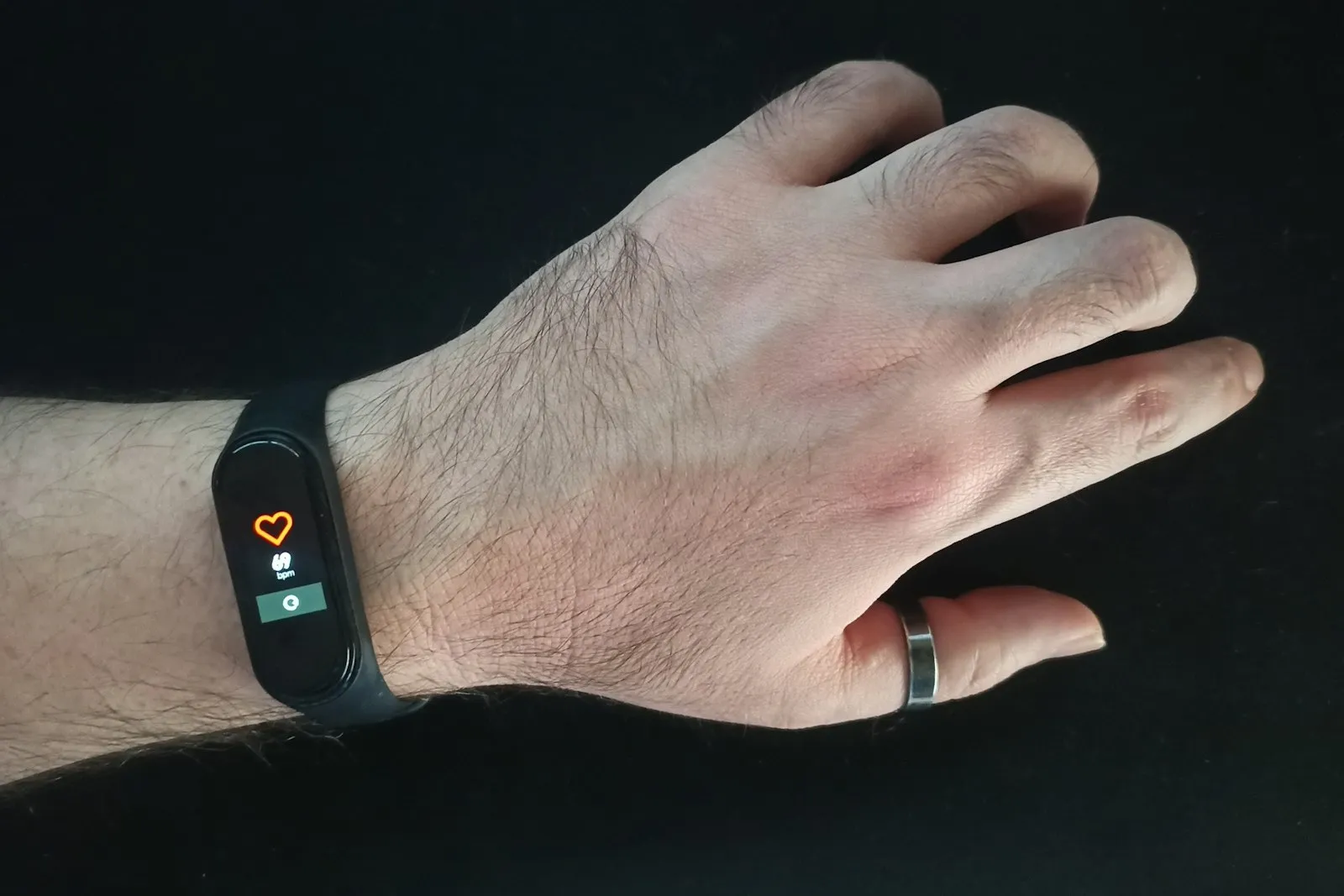
Sooner or later, everyone who trains seriously ends up choosing between a strap and a ring. WHOOP and Oura both promise the same morning verdict, recover or push. Both want a membership. And both have devoted owners who think the other one is a mistake.
They are closer than the fan bases suggest, and they differ in a handful of specific places. Here is where, what each one costs over two years, and the one job neither of them does.
WHOOP and Oura, side by side
WHOOP vs Oura, as of October 2026
| WHOOP | Oura | |
|---|---|---|
| What you wear | A screenless strap: wrist, bicep or sensor apparel | A ring, sizes 6 to 13 on Ring 5 |
| Current hardware | WHOOP 5.0 and WHOOP MG, since May 2025 | Oura Ring 5 since June 2026; Ring 4 still sold |
| Up front | Nothing; the hardware comes with membership | $349 to $499 for the ring |
| Every year | $199 One, $239 Peak or $359 Life | $69.99, or $5.99 a month |
| If you stop paying | It stops collecting your data | You keep three daily scores |
| Battery | 14 days or more | Up to 6 to 9 days on Ring 5 |
| Headline scores | Strain 0 to 21, Recovery and Sleep in percent | Readiness, Sleep and Activity, 0 to 100 |
| Social | Teams with leaderboards, WHOOP members only | Circles share scores with up to 20 Oura members, no ranking |
The table hides how similar the core is. Both read your HRV, resting heart rate, temperature and sleep overnight, and both turn them into a morning number read against your own baseline. The real differences are in what you wear, how you pay and what each one is best at coaching.
Where WHOOP wins
Training load. WHOOP was built for people who train, and it shows. Strain runs from 0 to 21 on a logarithmic scale, so the gap between a moderate day and a brutal one is easy to read, and your nightly sleep need rises with the day’s strain. If you want a device that tells you how hard you went and how much sleep that bought you, this is its home ground.
Battery and wear. Fourteen days or more on a charge, a battery pack you can top up without taking it off, and the option to wear the sensor on your bicep or in WHOOP apparel, which suits lifters and anyone who wants their wrist free.
One price, hardware included. There is no ring to buy and replace. The catch is the flip side: it is a membership or nothing, and once a membership ends, the band stops recording. The top Life tier on the MG sensor adds blood pressure insights and an ECG heart screener. The FDA had challenged the blood pressure feature in 2025, and in June 2026 it closed that out after WHOOP modified it.
Where Oura wins
You forget it is there. A ring is the easiest wearable to keep on through the night, which matters for a device whose best data comes from your sleep. It looks like jewellery, too, which is why plenty of people who would never wear a fitness band will wear one.
Lower running costs. At $69.99 a year, the membership is a third of WHOOP’s cheapest tier, and if you let it lapse, the ring still shows your three daily scores.
Breadth of health features. Beyond sleep and readiness, Oura covers cycle insights, cardiovascular age, a symptom radar for early signs of strain or illness, meal and glucose logging, and paid blood panels in the US. WHOOP reaches into healthspan and blood pressure, but Oura’s app is the wider health dashboard.
The Quantified Scientist put both to a direct test of the thing they are sold on, whether the morning score matches how you actually feel:
The score is about you, on both
Here is the part both marketing pages skip. WHOOP Recovery and Oura Readiness are each scored against your own baseline, with their own recipes, so a 70% on a strap and a 70 on a ring are not the same day. We pulled that apart in why WHOOP Recovery, Body Battery and Oura Readiness never match.
The ingredients differ in quieter ways too. Both use RMSSD for HRV, but WHOOP weights its nightly figure toward slow-wave sleep while Oura averages five-minute samples across the night, as covered in why every device shows a different HRV. Both take resting heart rate during sleep, but with different methods, which we explain in what is a good resting heart rate. And WHOOP grades sleep as a share of a moving sleep need while Oura scores it out of 100, so their sleep scores do not line up either.
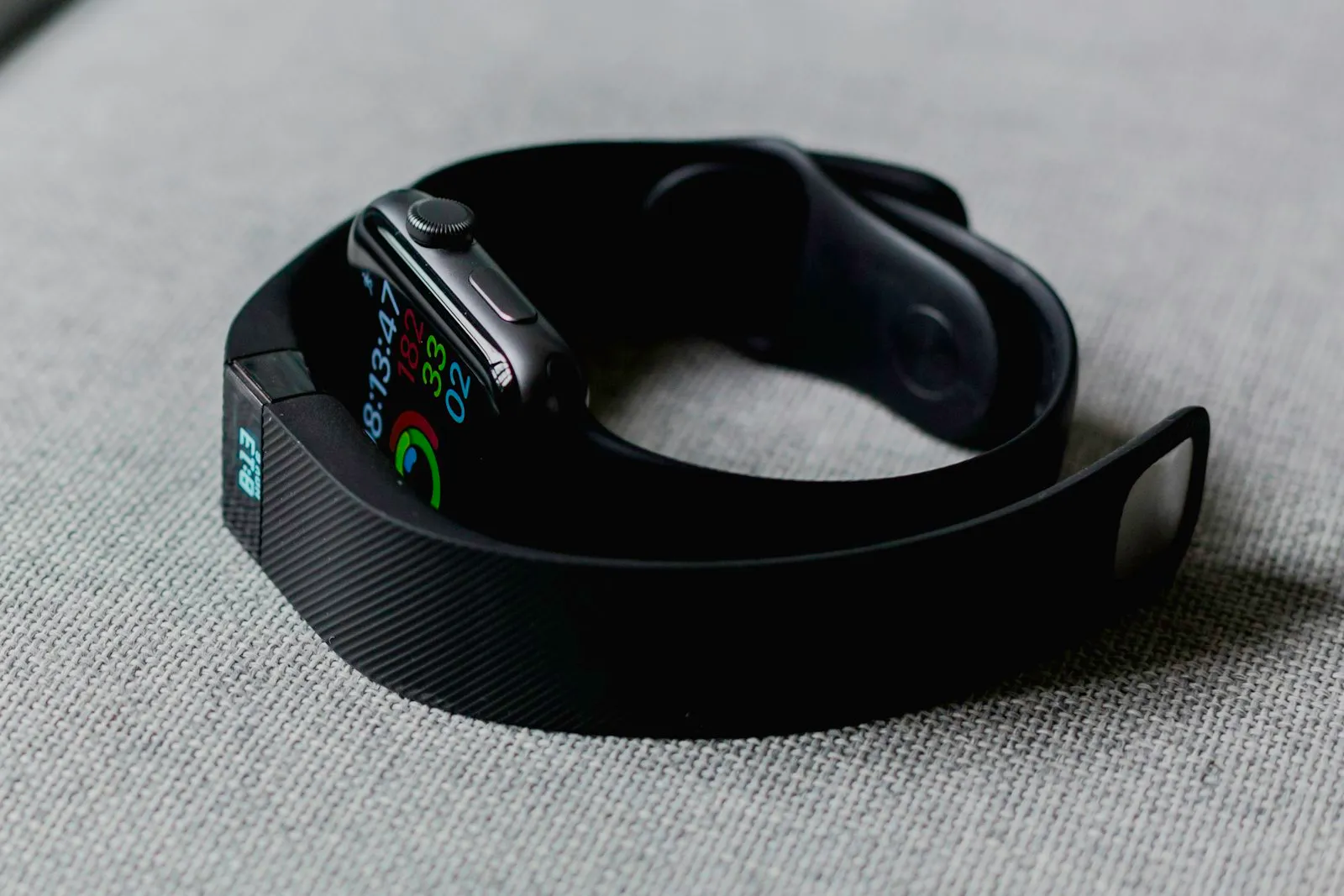
None of that is a flaw. A recovery score should be personal. It just means the choice between them is about which device you will wear every day, not which one gives the “real” number.
The job neither of them does
Both have a social side, and both stop at their own logo. WHOOP Teams rank strain, recovery and sleep on daily, weekly and monthly leaderboards, but every teammate needs a WHOOP, and ranking recovery between people mostly ranks their baselines. Oura Circles share Readiness, Sleep and Activity scores in groups of up to 20 Oura members and let you react, with no ranking at all. Neither will put a WHOOP wearer, an Oura wearer and a friend on a Garmin in the same race.
That gap is why Fit, the cross-brand fitness competition app, exists, and it is ours, so weigh this paragraph accordingly. Fit reads WHOOP and Oura alongside Apple, Garmin, Fitbit and Samsung, leaves each person’s Recovery and Readiness on their own wrist, and ranks the crew on effort, so the strap, the ring and the watch can share one board. Where Fit stops: it will not coach your sleep or your training load, and it replaces neither device. Pick the wearable you like, and race on the units that travel between brands.
What to do with this
- Choose by what you will wear every day. A strap you leave on the nightstand or a ring you take off to lift gives you nothing. The best one is the one you forget about.
- Do the two-year maths. WHOOP costs $398 to $718 over two years with hardware included. An Oura ring plus a yearly membership comes to roughly $490 to $540 at base prices.
- Buy WHOOP for training load, Oura for sleep and all-day health. That is the honest split once the overlap is stripped away.
- Read your score against yourself. Neither number means anything next to a friend’s, on any brand.
- Race your friends somewhere neutral. Their native social features only work inside their own walls, so a mixed group needs a competition app that reads every brand.
Questions people actually ask
Is WHOOP or Oura better for sleep tracking?
Both are serious sleep trackers and both are estimates, not a sleep lab. Oura is the more comfortable thing to forget you are wearing at night, and its Sleep Score weighs seven contributors from total sleep to timing. WHOOP grades your night against a sleep need that rises with the day's strain and any sleep debt, which suits people who train hard. If sleep is your main reason to buy, most people find the ring easier to live with.
Do I need a subscription for WHOOP or Oura?
For WHOOP, the membership is the product: it includes the hardware, and once a membership ends WHOOP stops collecting and analysing your data. Oura sells the ring outright and adds a $5.99 a month or $69.99 a year membership, with the first month included. Without it, the ring still shows your three daily scores, Readiness, Sleep and Activity, but little else.
Which has better battery life, WHOOP or Oura?
WHOOP, comfortably. WHOOP 5.0 and MG are rated for 14 days or more on a charge, and you can top up while wearing them. Oura rates Ring 5 at up to 6 to 9 days and Ring 4 at 5 to 8 days.
Can you compete with friends on WHOOP or Oura?
Only with people on the same brand. WHOOP Teams offer daily, weekly and monthly leaderboards for strain, recovery and sleep, but every teammate needs a WHOOP. Oura Circles let up to 20 Oura members share their Readiness, Sleep and Activity scores and react with emojis, with no ranking at all. Neither lets a WHOOP wearer race an Oura wearer, or anyone on a watch.
Is WHOOP Recovery the same as Oura Readiness?
They answer the same question, how ready is your body today, from overlapping inputs like HRV, resting heart rate and sleep. But each is scored against your own baseline with its own recipe, so a 70% on WHOOP and a 70 on Oura are not the same day, and neither can be compared between two people.
How much do WHOOP and Oura cost over two years?
WHOOP One is $398 over two years, Peak is $478 and Life, which adds blood pressure insights and ECG on the MG sensor, is $718, all with hardware included. An Oura Ring 4 or 5 plus a yearly membership comes to roughly $490 to $540 over the same two years at base prices, more for premium finishes.
Sources
- WHOOP Support: membership pricing
- WHOOP Support: WHOOP Recovery
- WHOOP Support: creating or joining a WHOOP Team
- Oura Member Care: Oura membership
- Oura Member Care: discover Oura Ring 5
- Oura Member Care: Oura Circles
- FDA: close-out letter to WHOOP on Blood Pressure Insights (June 2026)
- DC Rainmaker: Oura Ring 5 in-depth review
Keep reading
-
 Comparability
 Apple Watch readiness score vs WHOOP: has Apple caught up?
Apple Watch Series 12 added a 0 to 10 readiness score, five-minute HRV and a Health Age. How it compares to WHOOP, and what still does not transfer.
Apple WatchWHOOPGarmin Read -
 Comparability
 What is a good HRV? Why Apple Watch, WHOOP, Oura and Garmin show different numbers
There is no universal good HRV. Why Apple Watch, WHOOP, Oura, Garmin and Fitbit show different numbers, what is typical for your age, and how to read your trend.
Apple WatchWHOOPOura Read - Comparability
WHOOP Recovery vs Garmin Body Battery vs Oura Readiness: why the numbers never match
All three report a 0 to 100 score, but each measures something different, over a different window, against its own baseline. Here is what each one means.
WHOOPGarminOura Read
Get the next one by email
Occasional notes on making fitness numbers comparable across devices, and reading your own baseline. No spam, unsubscribe in one tap.
We email you once to confirm. Your address is only used for these notes.