Alternatives
The best fitness competition apps for competing with friends in 2026
The best fitness competition apps of 2026 for friends and groups: which are free, which work across Apple Watch, Garmin and Fitbit, and which one to pick.
Quick answer
It depends on what your group wears. An all-Apple group should use Apple Watch Activity Competitions and an all-Garmin group Garmin Connect Challenges, both free and built in. A mixed group needs a neutral app: Stridekick, StepUp or Pacer for free step races, Strava for workout challenges if everyone subscribes, StepBet for money on the line, and Fit to rank a crew on active minutes and distance, the units that stay fair across brands.

Your group chat decides to get fit together. Within an hour it hits the wall every group hits: two Apple Watches, a Garmin, a Fitbit and one person swearing by a phone in a pocket. Apple’s competition feature will not take four of them. Fitbit shut its challenges down years ago. Somebody suggests a spreadsheet.
There is a better answer, but it depends on what your group owns. Here is every fitness competition app worth considering in 2026, tested against the only question that matters: can everyone actually play?
The field, side by side
One disclosure before the table: Fit is our app. Read that row knowing who wrote it, and check the others against their own linked documentation.
Fitness competition apps and features, 2026
| App | Mixed devices? | You compete on | Price | Runs on |
|---|---|---|---|---|
| Fit | Yes: Apple, Garmin, Fitbit, WHOOP, Oura, Samsung | Active minutes, distance, workouts | Free | iOS and Android |
| Apple Activity Competitions | No, Apple Watch only | Ring-closing points | Free with the watch | Apple only |
| Garmin Connect Challenges | No, Garmin only | Steps and activities | Free with the device | Garmin app |
| Samsung Health Together | No, Samsung Health users only | Steps | Free | Android only |
| Strava Group Challenges | Yes, if it records to Strava | Logged workouts only | Subscription, for everyone in it | iOS and Android |
| Nike Run Club | Yes, if runs record or sync to it | Running distance | Free | iOS and Android |
| Stridekick | Yes, most major wearables and phones | Steps or active minutes | Free for up to 10 people | iOS and Android |
| StepUp | Yes, via Apple Health and Google Health | Steps | Free, with ads | iOS and Android |
| Pacer | Yes, phones plus major wearables | Steps | Free challenges, paid extras | iOS and Android |
| StepBet | Yes: Apple Health, Garmin, Health Connect | Personal step targets | A cash stake per game, often about $40 | iOS and Android |
The table splits into two families. Native features, from Apple, Garmin and Samsung, are polished and free but closed: everyone must own the same brand. Neutral apps trade some polish for the thing that actually matters in a real friend group, which is that nobody gets left out over hardware.
The best pick for each kind of group
If you only read one section, read this one.
- Best for an all-Apple group: Apple Activity Competitions. Free, built into the Fitness app, and fairer than it looks, because points come from closing your own rings rather than from raw output.
- Best for an all-Garmin group: Garmin Connect Challenges. Free step and activity races against your Connect friends. We cover how Garmin challenges work in full.
- Best for an all-Samsung group: Samsung Health Together. Free individual and team step challenges, but Samsung Health does not run on an iPhone, so one iPhone owner breaks it.
- Best free app for a mixed group that thinks in steps: Stridekick or StepUp. Both read the major wearables and plain phones. Stridekick is free for up to 10 people, StepUp is free with ads, and Pacer is a solid third.
- Best workout competition app: Strava, if everyone will pay. Group Challenges rank logged distance, time or elevation. Runners who want it free can create challenges with friends in Nike Run Club.
- Best with money on the line: StepBet. You stake cash on personalised step goals and the finishers split the pot.
- Best for a fair race across brands: Fit. Crews ranked on active minutes and distance, so an Apple Watch, a Garmin and a Fitbit share one honest board.
- Best for a workplace: the free apps work for coworkers who organise it themselves. A company-funded program needs admin tools and reporting, which we compare in the step challenge apps guide and the work fitness challenge playbook.
If everyone owns the same brand, use the native feature
An all-Apple group should just use Activity Competitions. You challenge a friend from the Fitness app, the competition runs seven days, and you earn a point for every percentage you add to your rings, capped at 600 a day. Because points come from closing your own rings, a beginner with honest goals can beat a marathoner, which is the fairest handicap system Apple has ever shipped. We walk through the setup, and its one hard limit, in Apple Watch competition with friends.
Garmin owners have the same deal in Garmin Connect: step and activity challenges against your connections, badges included, at no cost. If you are still choosing between the two ecosystems, our Apple Watch vs Garmin for running guide covers the wrist itself.
Samsung owners get it in the Together tab of Samsung Health: create an individual or team challenge, invite friends, and race on steps. Friends who have never used Samsung Health can join once they install it, which works on Android phones but not on an iPhone.
All three native features share one hard limit. The moment one friend shows up with a different logo on their wrist, the whole group is locked out, and no setting fixes that.
If the group is mixed, pick your unit first
A cross-brand contest is only as fair as the number it ranks. We have covered why step counts drift between devices and why active minutes are the steadiest number that travels. That order of preference is the real decision; the app follows from it.
- Steps, kept simple: Stridekick, StepUp and Pacer all run free group step challenges across the major wearables and phones, with leaderboards and group chat. They are the closest living relatives of the old Fitbit Challenges, and if your group thinks in steps, any of them will do the job. Our best step challenge apps guide compares them in full.
- Logged workouts: Strava Group Challenges rank most distance, time or elevation, fastest effort, or a shared group goal, and can take up to 199 invitees. Two catches: every participant needs a paid subscription, and only recorded activities count, so all-day movement is invisible.
- Money on the line: StepBet sets each player a personal step target from their own history, and everyone stakes cash into a pot, commonly about $40 for a game of around six weeks. Finish every week and you split the pot of those who did not, minus the house cut. It is accountability for one, played in parallel, rather than a race between friends.
- Effort, across brands: Fit, the cross-brand fitness competition app, is built for exactly this case. Crews are ranked on active minutes and distance, the units every brand reports honestly, and a branded score never crosses the wire, for reasons the recovery-score comparison makes painful.
Workout competition apps, for groups that train rather than walk
Some groups do not care about steps at all. They lift, run, ride or take classes, and what they want is a workout competition app that ranks the training itself. Two questions decide which one fits.
Does a logged workout count, or all effort? Strava and Nike Run Club rank recorded activities. That is perfect for a run club and useless for the friend whose training is a spin class the watch files as “other” or a long walk that was never started as a workout. Active minutes count effort from any source, the treadmill, the class, the brisk walk to the station, which makes them the fairer unit for a competitive fitness group whose training looks different person to person.
Does everyone have to pay? Strava’s Group Challenges need a subscription for every participant. Nike Run Club challenges, such as “let us all run three miles by Tuesday”, are free but running-only. Fit is free and counts everyone’s effort across brands, and Stridekick can run a free active-minutes challenge for up to 10 people.
If your group is one sport and everyone already pays for Strava, that is your answer. If it is a gym regular, a runner, a cyclist and a walker, rank on active minutes and the group fitness challenge stays fair without anyone handicapping anyone.

The apps people ask about that do not belong here
Bevel comes up constantly, and it is genuinely good at what it does, but what it does is solo: WHOOP-style recovery, sleep and strain scores computed from your own wearable. There is no leaderboard in it, no crew, no challenge button. If you were choosing between Bevel and a competition app, you were choosing between two different products, and we wrote a full Bevel guide for that decision.
WHOOP does have teams and communities, but every member needs the strap and the membership, which turns a casual challenge into a group hardware purchase.
Fitbit no longer has challenges at all. Google removed them in 2023, and we cover what replaced Fitbit Challenges for groups that still wear one.
Where Fit loses, since we owe you the same honesty: it is a young app with a smaller community than Strava, it will not analyse your splits or your sleep architecture, and if your entire group already owns Apple Watches, Apple’s native competitions are one tap closer than anything third-party. Fit earns its place when the group is mixed, which, in our experience, is nearly every real group.
What to do with this
- Inventory the wrists first. One brand: use the native feature from Apple, Garmin or Samsung and stop reading. Mixed: continue.
- Agree the unit before the app. Active minutes or kilometres for a mixed group; steps only if device types match.
- Pick the app that fits the unit. Steps: Stridekick, StepUp or Pacer. Workouts: Strava if everyone will pay, Nike Run Club for runners. Cash stakes: StepBet. Effort across brands: Fit.
- Pick a format. A weekly race is the safest start; our 40 fitness challenge ideas have more.
- Keep the group small and the round short. A handful of people and a weekly reset beat a 30-day slog. The challenge-design guide covers why.
Questions people actually ask
What is the best app to compete with friends who have different fitness trackers?
Use an app that reads every brand and scores on real units. Stridekick, StepUp and Pacer do this for steps. Fit does it for active minutes and distance, which drift less between brands than steps do. What does not work is a vendor's own competition feature: Apple's requires everyone to own an Apple Watch, Garmin's requires everyone to own a Garmin, and Samsung's requires everyone to run Samsung Health.
What is the best free fitness competition app?
For a mixed group, Stridekick (free for up to 10 people), StepUp and Pacer all run free step challenges, and Fit is free for crews ranked on active minutes and distance. For a group on one brand, the built-in features cost nothing extra: Apple Watch Activity Competitions, Garmin Connect Challenges and Samsung Health Together challenges.
What is the best workout competition app?
If your group logs workouts, Strava Group Challenges rank most distance, time or elevation across recorded activities, but everyone taking part needs a subscription. Runners can create free challenges with friends in Nike Run Club. If you want effort to count whether it came from a run, a class or a long walk, rank on active minutes instead, which is what Fit does.
Can an Apple Watch compete against a Fitbit or a Garmin?
Not through Apple. Activity Competitions only work between Apple Watches, because the scoring is a point per percentage of your Activity rings. A mixed group needs a third-party app that syncs all the devices into one leaderboard and compares a unit every brand reports, like distance in kilometres or active minutes.
Are Strava Group Challenges free?
No. Creating a Group Challenge requires a Strava subscription, and so does joining one; free athletes lost their remaining group challenge access in 2025. The challenges also only count recorded workouts, so a day of walking that never became a logged activity scores nothing.
Is there a fitness competition app where you bet money on yourself?
Yes. StepBet has each player stake money, commonly around $40, into a shared pot for a game that usually runs about six weeks, with step targets set from your own activity history. Players who hit every weekly goal split the pot, minus StepBet's cut. It suits people who are driven by the fear of losing money, but it is a personal target game with a shared pot, not a head-to-head race between friends.
Is Bevel a fitness competition app?
No. Bevel is a connected health coach: it turns your Apple Watch, Garmin or Oura data into WHOOP-style recovery, sleep and strain scores for you alone. It has no leaderboards, crews or challenges, so it solves a different problem. We compare it properly in our Bevel alternatives guide.
What should a mixed-device group actually compete on?
Active minutes first, distance second. Both are real units that every major brand reports on roughly the same scale. Steps are workable if everyone matches device type. Branded scores like WHOOP Recovery or Body Battery are normalised to each individual and mean nothing between people.
Sources
- Apple Watch User Guide: share your activity and compete
- Garmin: what are Garmin Connect Challenges?
- Samsung: use the Together feature in Samsung Health
- Strava Help Center: Group Challenges
- Nike: create challenges in the Nike Run Club app
- Stridekick: free step challenges for groups
- StepUp: free step challenge app
- Pacer: free step challenge app for friends and groups
- StepBet: how the game works
Keep reading
-
 How to
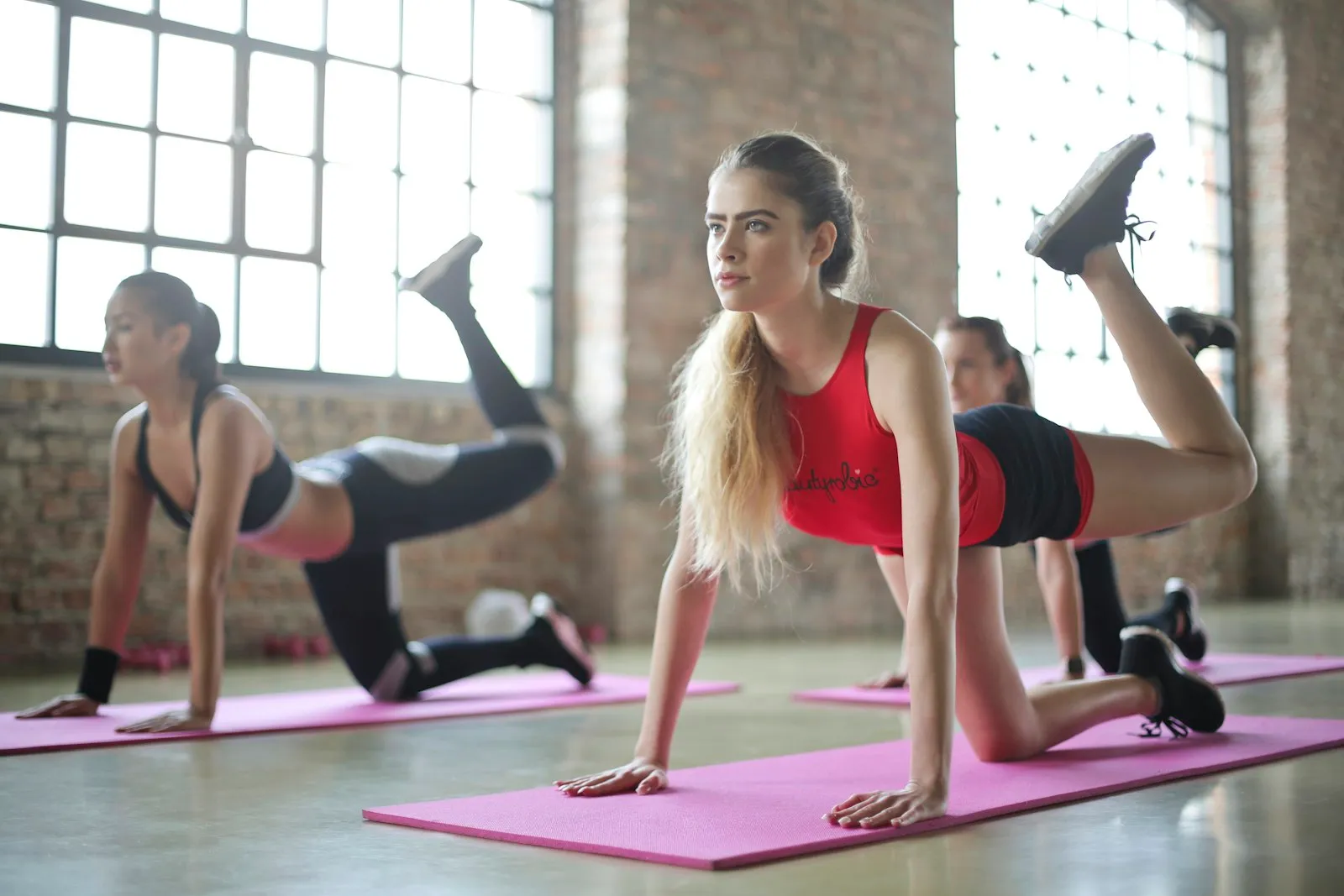
 Apple Watch competition with friends: how it works, and its one limit
Apple Watch competitions are a free seven-day ring race with one catch: everyone needs an Apple Watch. How to run one, and what to do about the rest.
Apple WatchGarminFitbit Read -
 How to
 40 fitness challenge ideas that survive past the first week
40 fitness challenge ideas for friends, work and remote groups: step races, distance chases, strength ladders and streaks, plus the shape that makes them stick.
Apple WatchFitbitGarmin Read -
 Alternatives
 The best step challenge apps for groups, work and mixed devices in 2026
The best step challenge apps in 2026 for friends, big groups and workplaces: which are free, which put iPhone and Android in one race, and which stay fair.
Apple WatchFitbitGarmin Read
Get the next one by email
Occasional notes on making fitness numbers comparable across devices, and reading your own baseline. No spam, unsubscribe in one tap.
We email you once to confirm. Your address is only used for these notes.