Alternatives
Bevel alternatives: what to use instead, and when Bevel is the right call
Bevel turns an Apple Watch, Garmin or Oura into a WHOOP-style dashboard. Here is what it does well, what it does not do at all, and what fills each gap.
Quick answer
Bevel is a free iPhone app that computes WHOOP-style recovery, sleep and strain scores from the wearable you already own. The right alternative depends on which part you want. For the same solo scores, try Athlytic or Gentler Streak on Apple Watch, or WHOOP for dedicated hardware. For what Bevel does not attempt at all, competing with friends across devices, use Fit, which ranks crews on active minutes and distance. Android users need one by default: Bevel is iPhone only.
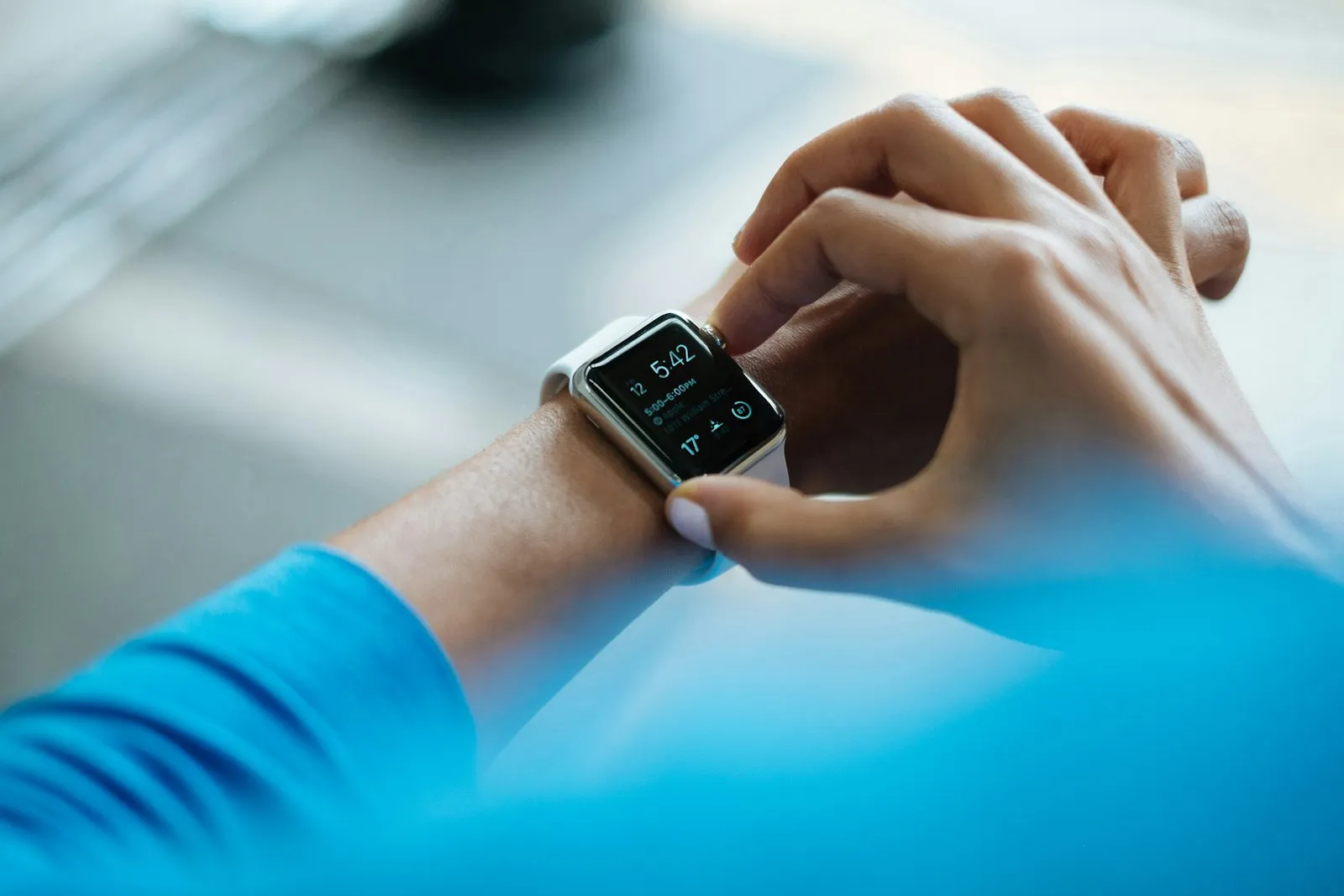
Bevel is the app your one friend will not stop recommending: point it at the Apple Watch, Garmin or Oura you already own and it hands back WHOOP-style recovery, sleep and strain scores without the strap or the subscription. Around two and a half million people have signed up, the core app went free at the end of 2025, and WHOOP considered it enough of a threat to sue.
So why would anyone want an alternative? Usually one of three reasons: you use Android, you want hardware built for the job, or you have realised that a readout about yourself was never the thing keeping you moving. Different reason, different app. Here is the map.
What Bevel actually is
Bevel, by Finerpoint, calls itself a connected health coach. It reads the wearable data you already generate, plus bloodwork and meals if you feed it those, and turns them into daily scores: Recovery, Sleep, Strain, Stress and an Energy Bank that drains through the day. The free tier carries all of that. Pro, at $14.99 a month or $99.99 a year, adds an AI coach called Bevel Intelligence, lab-report imports and a Biological Age estimate.
It began life under a different name. The company launched the product as Superset in late 2023, and that history now matters legally: the December 2023 announcement post is the timestamp Bevel points to in its defence against WHOOP, as evidence its three-ring layout predates WHOOP’s own.
Bevel @bevel_healthThe wait is almost over … preorder Superset to redefine the way you approach your health goals.
View on X · Dec 2023
WHOOP filed its suit in March 2026, claiming trade dress infringement and citing four patents. The case is unresolved, the app is unchanged, and if anything the publicity has sent more people to Bevel, not fewer.
The honest read: good app, one job
Bevel does its job well. The design is genuinely polished, the free tier is unusually generous, and for an Apple Watch owner who wants the WHOOP experience without $30 a month, it is probably the first thing to try.
But its job is a mirror. Every score it produces is about you, measured against your own baseline, viewable by you. There is no crew, no leaderboard, no challenge, no rival. And as we found when we compared WHOOP Recovery, Body Battery and Oura Readiness, baseline-normalised scores cannot be compared between people even in principle. A 70 on your Bevel and a 70 on your friend’s describe two different bodies. The solitude is not a missing feature; it is the mathematics of the score.

The alternatives, by the job you are hiring for
Where to go, depending on what you actually want
| Bevel | WHOOP | Fit | |
|---|---|---|---|
| The job | Solo recovery scores from hardware you own | Solo recovery scores from dedicated hardware | Competing with friends across brands |
| Needs new hardware? | No | Yes, the strap | No |
| Social layer | None, screenshots only | Teams, if everyone owns WHOOP | Crews, any mix of devices |
| Price | Free core, Pro $99.99/yr | Hardware plus membership | Free |
| Platforms | iPhone only | iOS and Android | iOS and Android |
For the same solo scores, different flavour: Athlytic and Gentler Streak both build readiness and effort guidance on Apple Watch data, each with its own personality, and HRV4Training is the choice if you want the raw heart-rate variability science rather than a packaged score. All are iPhone-first, like Bevel.
For dedicated hardware: WHOOP remains the reference product Bevel is measured against, with a sensor it controls and a deep coaching layer. You pay for the strap and the membership, and independent testers spend a lot of time asking whether the numbers justify it:
For the part Bevel does not attempt: Fit, the cross-brand fitness competition app, is ours, so weigh this paragraph accordingly. Fit gives the readout an audience: crews ranked on active minutes and distance, the units that stay honest between an Apple Watch, a Garmin and a Fitbit. The research on social exercise is blunt about why that matters: in controlled trials, competition moved people harder than any solo feedback loop. And unlike Bevel, Fit runs on Android.
Run both, honestly. Bevel for what your body did overnight, a crew for why you get off the couch today. They read the same wearable and never overlap. The one thing we would warn against is paying twice for the same job: if you have WHOOP, Bevel is redundant, and no recovery app, ours included, will rank you against your friends without lying to somebody.
What to do with this
- Name the job first. A better mirror, better hardware, or other people. That decision picks the app before any feature list does.
- Android users skip Bevel entirely. It does not run there. Go straight to a cross-platform option.
- Never compete on a recovery score, Bevel’s or anyone’s. They are baseline-normalised and personal. Compete on active minutes and kilometres.
- Watch the lawsuit if you are invested, but do not wait on it. Nothing about the app changes while it runs.
Questions people actually ask
Is Bevel free or do you have to pay?
The core app is free: recovery, sleep, strain, stress, nutrition logging, strength training and cycle tracking all sit in the free tier, and Bevel has publicly committed to keeping today's free features free. Pro costs $14.99 a month or $99.99 a year and adds Bevel Intelligence (the AI coach), Health Records and Biological Age.
Does Bevel work on Android?
No. Bevel is iPhone and Apple Watch only as of late 2026. It reads data from Garmin, Oura, Amazfit and Google Health devices including recent Fitbits, but the app itself must run on an iPhone. An Android user wanting the same idea needs a different app entirely.
Why is WHOOP suing Bevel?
WHOOP filed suit in March 2026 claiming Bevel copied its trade dress, the look and feel of its app, and cited four patents. Bevel is contesting it, pointing to a post from December 2023 showing its three-ring layout well before WHOOP's own three-ring home screen shipped in May 2025. Nothing has been ordered to change and the app remains available.
Can you compete with friends on Bevel?
No. Bevel has no leaderboards, challenges, crews or head-to-head anything; sharing means exporting a screenshot. Its scores are also normalised to your own baseline, so they could not be ranked fairly anyway. If competition is the missing piece, you want a crew app that compares real units across brands.
Is Bevel as accurate as WHOOP?
They cannot be compared cleanly, because each computes a proprietary score from different sensors against your own baseline. Bevel is limited by whatever your watch or ring measures; WHOOP controls its own sensor. Independent testers find them directionally similar on many days, but neither number is portable, which is exactly why neither belongs in a competition.
Sources
Keep reading
-
 Alternatives
 The best fitness competition apps for competing with friends in 2026
The best fitness competition apps of 2026 for friends and groups: which are free, which work across Apple Watch, Garmin and Fitbit, and which one to pick.
Apple WatchGarminFitbit Read -
 Comparability
 WHOOP Recovery vs Garmin Body Battery vs Oura Readiness: why the numbers never match
All three report a 0 to 100 score, but each measures something different, over a different window, against its own baseline. Here is what each one means.
WHOOPGarminOura Read -
 Data
Data Does competing with friends actually make you fitter? What the research says
Five studies on social exercise, from a 1.1 million-runner network to head-to-head trials of competition against support. The answer is yes, with caveats.
Read
Get the next one by email
Occasional notes on making fitness numbers comparable across devices, and reading your own baseline. No spam, unsubscribe in one tap.
We email you once to confirm. Your address is only used for these notes.