Comparability
Why your watch, the gym machine and the app never agree on calories
Your watch, the treadmill and the app can differ by hundreds of calories for one workout. Here is what each is really estimating, and which to trust.
Quick answer
They never agree because none of them measures calories; they all estimate from different inputs. Your watch uses heart rate, motion and your profile, the cardio machine uses its own workload and often only your weight, and the app applies a generic formula to what you logged. Each guess is built differently, so one workout reads 300 calories on your wrist and 480 on the treadmill. Pick one source, know it is a rough estimate, and compare it only to itself.
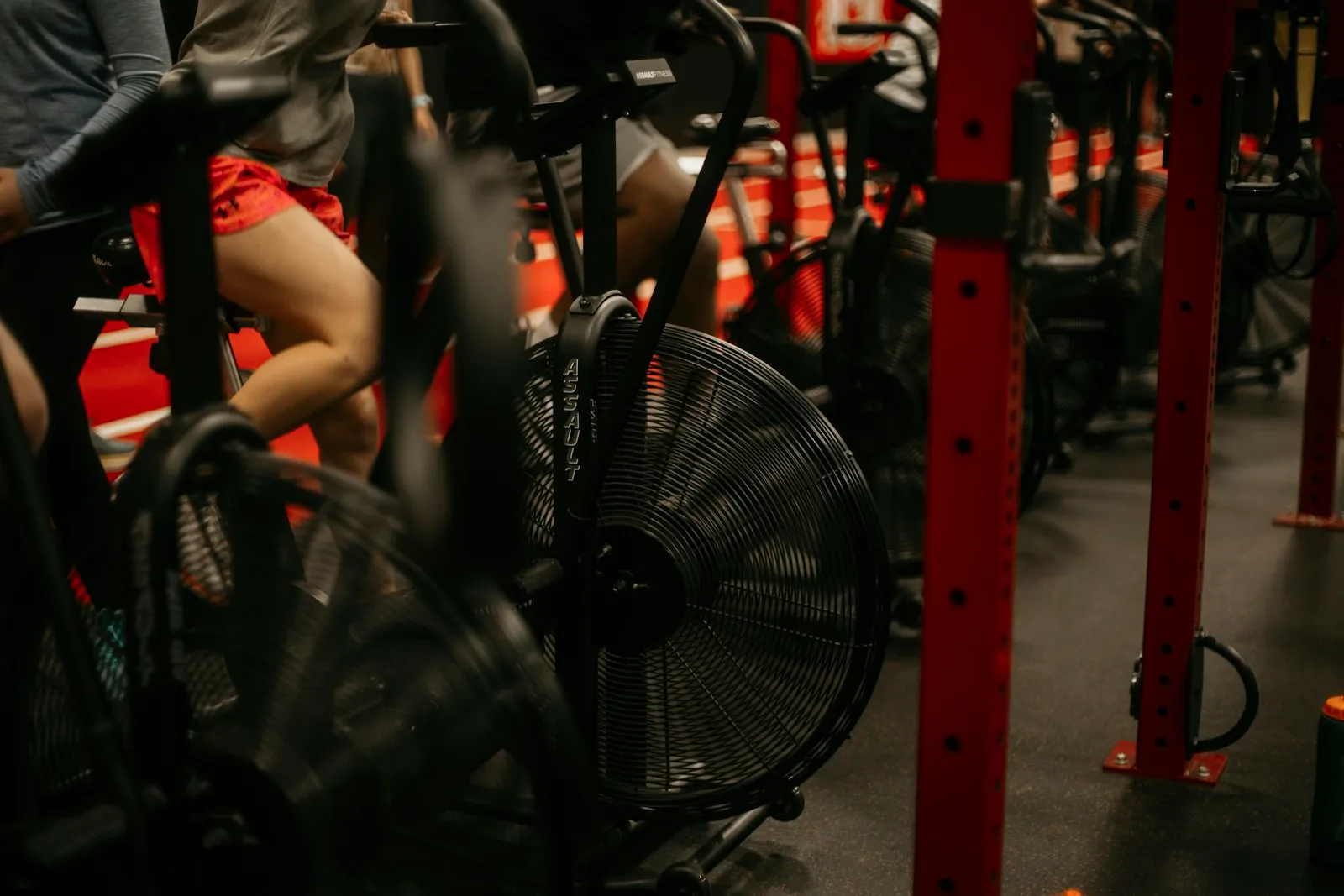
You finish a spin class sweating and proud. The bike console says 620 calories. Your Apple Watch says 410. The app you logged it in splits the difference at 520. Three numbers, one workout, a 200 calorie spread, and a nagging question about which one earned you dinner.
The answer is that none of them knows. They are all estimating a quantity that is genuinely hard to measure, and they estimate it from different starting points.
Nobody in the room measured your calories
Real energy expenditure is measured with a metabolic cart or a respiratory chamber, tracking the oxygen you consume and the carbon dioxide you produce. That equipment lives in labs. Everything on your wrist, on the machine and in the app is a model standing in for it.
The models disagree because they know different things about you and the work you did. A Stanford study that put seven wrist devices against lab-grade metabolic measurement found they were excellent at heart rate, within a few percent, but poor at energy, with error rates that made the calorie readout the least trustworthy number they produced.
Three estimators, three sets of inputs
Line up what each source actually feeds into its guess and the spread stops being mysterious.
What each source uses to estimate calories
| Wrist wearable | Cardio machine | Workout app | |
|---|---|---|---|
| Main inputs | Heart rate, motion, your full profile | Its own workload, sometimes your weight | Activity type and duration, a generic formula |
| Knows your age and sex? | Yes | Usually not | Only if you set a profile |
| Knows your heart rate? | Yes | Only if you connect a strap | Rarely |
| Tends to | Run moderate, varies by activity | Run high | Run generic |
The machine often runs highest because it knows the least: many consoles apply a formula based on their resistance and your weight, with no age, sex or actual heart rate. The app applies a MET value, a table of typical intensities from the Compendium of Physical Activities, to whatever you logged, which is fine on average and blind to how hard you personally worked. The watch usually has the most to go on, which is why it is the one to trust if you must choose.
Where the estimates go most wrong
Two situations blow the numbers up. The first is strength training and stop-start work, where heart rate rises from effort and tension but your actual oxygen cost is lower than that heart rate implies, so wrist devices tend to overstate lifting. The second is anything the app has no good template for, where a generic MET value is doing all the work.
Steady cardio is the friendly case. On a continuous run or ride, heart rate tracks effort closely and the estimates tighten. This is the same fault line as VO2 max: heart-rate-driven models are at their best in steady aerobic work and shakiest everywhere else.
What to do with this
- Pick one source and stick to it. Your own watch, read against its own history, is the only fair comparison. Mixing the console and the app just adds noise.
- Trust the device that knows you. Between a bare machine and a watch with your profile and heart rate, the watch is the better guess.
- Do not eat back the full number. For weight goals, treat the burn as an overestimate, follow your weight trend over weeks, and adjust from reality.
- Expect strength days to be the least accurate. If a lifting session shows a big burn, be skeptical.
Because calories are a personal estimate rather than a shared unit, they are the wrong thing to compete on (the fitness challenge ideas that last use active minutes, distance or streaks instead), which is why Fit, the cross-brand fitness competition app, does not rank a crew on them. Fit compares the numbers that survive the jump between an Apple Watch, a Garmin and a Fitbit, like active minutes and distance, and leaves the calorie estimate on your own wrist where it can still guide you. Where Fit loses: it is not a nutrition or calorie-tracking tool, so if managing intake is your goal, a dedicated food and energy app will serve you better.
Questions people actually ask
Why does my treadmill show more calories than my Apple Watch?
Because the treadmill usually knows less about you. Most cardio machines estimate calories from their own workload and, at best, your weight, often with no age, sex or heart rate, and they tend to run high. Your watch folds in heart rate and your full profile. Neither is truth, but the watch generally has more to work with, so trust it over the console if you must pick.
How accurate are the calories on a fitness tracker?
Moderately, and better for some activities than others. Validation research has found wrist devices estimate energy expenditure with error often in the 20 to 40 percent range, worst for strength and mixed workouts and better for steady cardio like running. That is fine for watching your own trend and far too loose to treat any single number as exact.
Which is more accurate for calories, heart rate or motion sensors?
For steady aerobic exercise, heart rate based estimates tend to do better because your heart rate tracks effort closely. For lifting and stop-start activity, heart rate overstates energy use and motion adds little, which is why those workouts are the least reliable. No consumer method is close to a metabolic cart, which measures the oxygen you actually consume.
Should I eat back the calories my watch says I burned?
Cautiously, if at all. Because the burn is an overestimate for many people and many activities, eating back the full figure is a common reason a deliberate deficit stalls. If you use the number for intake, treat it as a soft ceiling, watch your weight trend over weeks, and adjust from what actually happens rather than the watch's total.
Can I compare calories burned with a friend on a different device?
Not usefully. Each brand's formula weights your profile and sensors differently, so the same session on two wrists can differ by hundreds of calories with no real difference in effort. Like a branded recovery score, calories are an individual estimate; compare units that travel between devices, like active minutes or distance, instead.
Sources
Keep reading
-
 Comparability
 Active minutes, explained: the one cross-device number worth competing on
Apple Exercise Minutes, Fitbit Active Zone Minutes and Garmin Intensity Minutes measure almost the same thing. Here is how they line up across brands.
Apple WatchFitbitGarmin Read -
 Comparability
 Why your Apple Watch, Garmin and Samsung all show a different VO2 max
Your watch estimates VO2 max from heart rate and pace, so the number changes with the brand, the activity and the algorithm. Here is what it really means.
Apple WatchGarminSamsung Read -
 Comparability
 WHOOP Recovery vs Garmin Body Battery vs Oura Readiness: why the numbers never match
All three report a 0 to 100 score, but each measures something different, over a different window, against its own baseline. Here is what each one means.
WHOOPGarminOura Read
Get the next one by email
Occasional notes on making fitness numbers comparable across devices, and reading your own baseline. No spam, unsubscribe in one tap.
We email you once to confirm. Your address is only used for these notes.