How to
How to run a virtual fitness challenge that survives the distance
A virtual fitness challenge has three problems a same-room one lacks: mixed devices, nobody watching, no shared energy. Here is how to design around them.
Quick answer
A virtual fitness challenge works when the scoreboard travels better than the group does. Score on a unit every device measures the same way, active minutes or kilometres rather than steps, so a distributed group on different watches is ranked fairly. Run short repeating weeks so time zones never end anyone's season, and let an app pull each person's data automatically instead of trusting screenshots. The distance is not the problem; an unfair or manual scoreboard is.
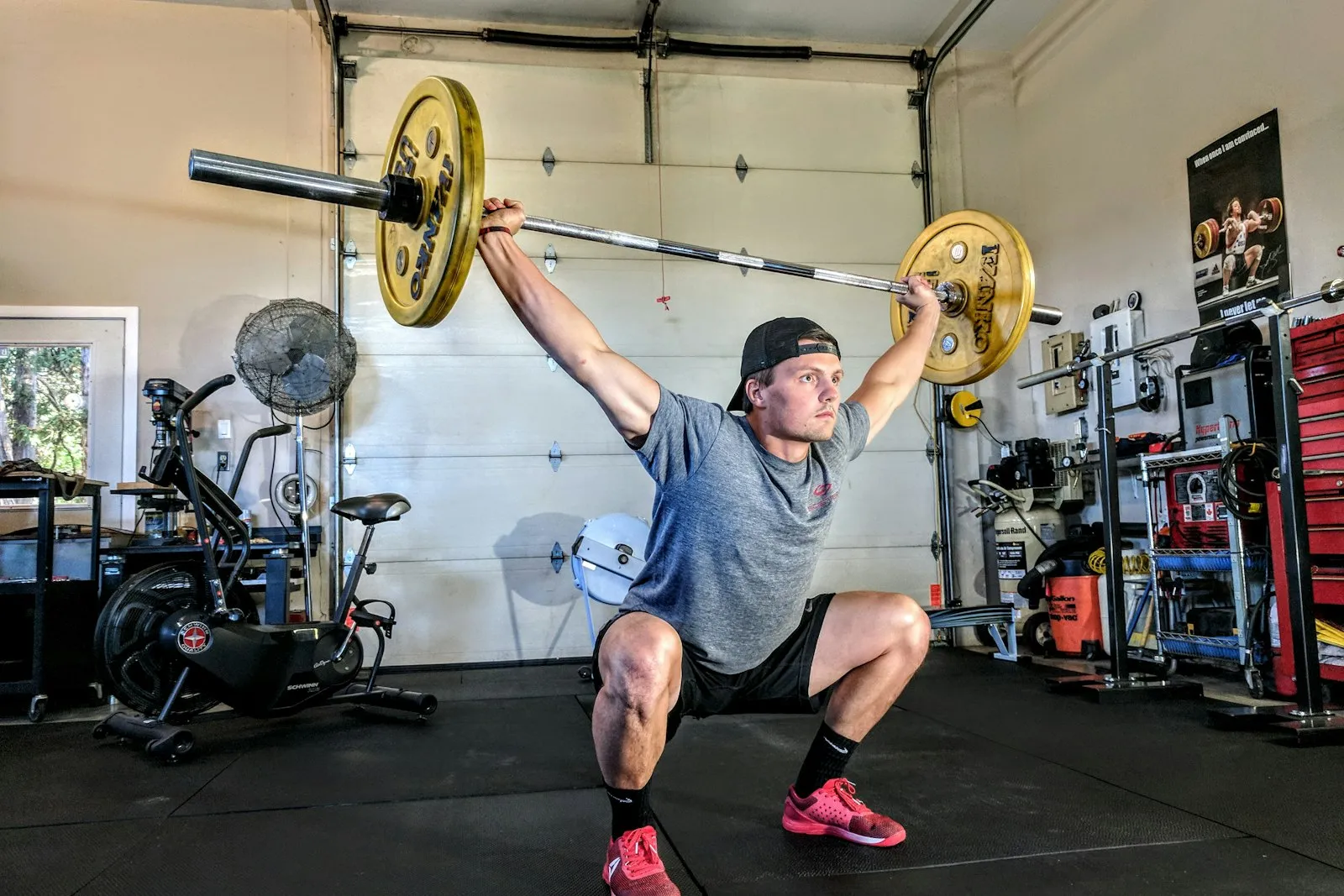
A virtual fitness challenge is not just an in-person one with everyone further apart. Take away the shared room and three things break at once: you cannot agree on a device, you cannot see whether anyone is telling the truth, and you cannot lean on the in-person energy that carries a group through a bad week. Every failed remote challenge died of one of those three, not of distance itself.
The good news is that all three have specific fixes, and once they are in place a distributed group can be more consistent than a local one, because the scoreboard never has to be in the same room. Here is the design.
Problem one: everyone is on a different device
In a distributed group you have no idea what people wear, and it is always a mix. The instinct is to run a step challenge, because everyone understands steps. That is the trap. Steps drift between a wrist, a phone and a ring, so a cross-device step race quietly rewards hardware, not effort, which we pull apart in why step counts differ between devices.
The fix is to score on a unit that survives leaving the wrist.
What travels across a distributed, mixed-device group
| Metric | Fair across devices? | Why |
|---|---|---|
| Active minutes | Yes | Keyed to a shared effort guideline, not a sensor quirk |
| Distance (km) | Yes | A kilometre is a kilometre on every device |
| Steps | No | Wrist, phone and ring disagree on the same walk |
| Calories | No | Each brand estimates them from private formulas |
| Recovery or readiness scores | No | Normalised to each person, not comparable at all |
Active minutes are the steadiest choice, because every major brand scores them against the same public 150-minutes-a-week guideline. Distance is the honest second. Anything that is a branded score is off the table before you start.
Problem two: nobody is watching
In a room, the challenge polices itself; you can see who did the work. Remotely, a leaderboard built on screenshots and manual entry invites both cheating and honest mistakes, and it puts one volunteer in charge of nagging everyone for numbers. That volunteer burns out, and the challenge dies with their patience.
The fix is to remove the honesty system entirely. The scoreboard has to read each person’s data straight from their device and update itself, so the numbers arrive without anyone typing them and there is nothing to inflate.

Problem three: no room to carry a slow week
A local group has a secret ingredient a remote one lacks: physical presence. Someone mentions the challenge at lunch, and the energy tops up. Remotely there is no lunch. The STEP UP trial is the warning here, because every challenge it tested worked while the game ran and faded once the novelty did, and a distributed group hits that fade faster with nothing in-person to counter it.
Two design choices absorb it. First, run short repeating weeks with a fixed reset, so a bad stretch or a travel week never ends anyone’s season and a clean slate is always days away. Second, if the group is large or spread across time zones, split it into small crews or brackets rather than one giant global leaderboard, because rank only motivates when the gap is chaseable. A weekly total also solves time zones on its own: nobody is permanently losing the morning to someone six hours ahead.
Putting it together
A virtual challenge that lasts is boring by design: a shared unit, an automatic scoreboard, small crews, a weekly reset. That description is Fit, the cross-brand fitness competition app, and it is ours, so read the recommendation with that in mind. Fit holds standing crews ranked on active minutes and distance, reads Apple Health, Garmin, Fitbit and the rest so a scattered group’s devices stop mattering, and updates itself so no one is chasing screenshots across time zones. Where Fit loses: it will not run a themed thirty-day accumulation event or a one-off charity distance drive with a big public tally, and if that specific format is the point, a purpose-built event platform fits better. For a standing group that just wants to keep racing from different cities, the weekly crew is the durable shape.
What to do with this
- Pick the unit before the theme. Active minutes or kilometres for a mixed remote group; never cross-device steps. More formats live in the challenge-ideas list.
- Automate the scoreboard. If a human has to collect numbers, it fails. Fit reads each person’s device directly and updates the crew’s rank itself, which is the entire reason it holds up over distance.
- Keep crews small and rounds weekly. Split a big group into brackets so the back of the pack stays in the race. Running it for a company? The work fitness challenge playbook covers the office version of the same problem.
- Reset on a fixed day. A repeating week is what replaces the in-person energy a virtual group does not have.
Questions people actually ask
What is the best metric for a virtual fitness challenge?
Active minutes first, then kilometres. Both are real units that Apple, Garmin, Fitbit and Samsung report on roughly the same scale, so a distributed group on different devices is ranked fairly. Steps are the tempting default and the wrong one, because a wrist, a phone and a ring count the same movement differently, which matters more when you cannot see each other exercise.
How do you keep a remote or virtual challenge fair across time zones?
Score on a rolling weekly total rather than a live daily race, and reset every week. A weekly window means someone six hours ahead is not permanently winning the morning, and a bad travel day is never fatal because a fresh week is always close. Avoid formats that reward being awake at a specific hour.
How do you stop people cheating in a virtual fitness challenge?
Take the honesty system out of it. Manual entry and screenshots invite both cheating and simple mistakes, so use an app that reads each person's data straight from their device and updates the leaderboard itself. When the numbers arrive automatically from the wearable, there is nothing to inflate and no volunteer chasing people for updates.
How many people should a virtual fitness challenge have?
Small enough that the back of the pack still feels in it, usually three to eight for a friend group. Large distributed challenges work too, but only if you split people into smaller crews or brackets, because a fifty-person global leaderboard leaves everyone outside the top five disengaged by midweek. Rank pulls hardest when the person ahead is catchable.
How long should a virtual fitness challenge last?
One week, repeating, with a fixed reset day. Long one-off challenges fade once the novelty goes and a single bad stretch makes the rest feel pointless, an effect the exercise trials show clearly. A repeating week keeps a clean slate always within reach, which matters more remotely because there is no in-person energy carrying the group through a slump.
Sources
Keep reading
-
 How to
 40 fitness challenge ideas that survive past the first week
40 fitness challenge ideas for friends, work and remote groups: step races, distance chases, strength ladders and streaks, plus the shape that makes them stick.
Apple WatchFitbitGarmin Read -
 How to
 How to run a fitness challenge your friends will actually finish
Most group fitness challenges die by day nine. The fixes are boring and specific: the right metric, the right length, the right stakes, a fair scoreboard.
Apple WatchFitbitGarmin Read -
 How to
 How to run a work fitness challenge people actually join
Most office fitness challenges reward the fittest people anyway. Here is how to design one for broad participation, mixed devices and privacy.
Apple WatchFitbitGarmin Read
Get the next one by email
Occasional notes on making fitness numbers comparable across devices, and reading your own baseline. No spam, unsubscribe in one tap.
We email you once to confirm. Your address is only used for these notes.